


Geographic farming, your strategic tool for real estate dominance, starts with deep analysis of a specific local market to understand its socioeconomic factors and trends. You’ll strategically choose a ‘farm’ area to concentrate your marketing activities, tapping into the power of social media and community engagement.
Effective marketing not only promotes properties, it nurtures strong relationships, creating a robust reputation. Continually tweak your strategies using key metrics to gauge your progress. This ‘genious’ approach garners valuable insights and better opportunities. Stick around to discover how to maximize your farm’s potential.
Understanding Geographic Farming
To truly master the art of geographic farming in real estate, it’s essential that you understand the strategy behind this method, carefully examining the potential of a specific neighborhood or area and consistently targeting it with your marketing efforts. This approach calls for you to hone in on a chosen region and relentlessly market your services to this area. The heart of this strategy lies in understanding the farm demographics and farming ethics.
Farm demographics involve analyzing the socio-economic factors of a particular area. You’ll need to study the age, income, occupation, and other relevant characteristics of the residents. It’s not just about knowing who lives there, but understanding their needs, preferences, and buying behaviors. This data will guide your marketing strategy, ensuring you’re reaching the right audience, with the right message, at the right time.
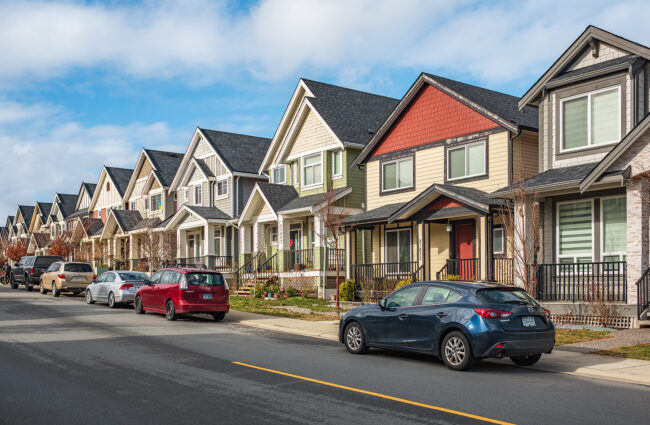
Farming ethics, on the other hand, require you to respect the community you’re working in. You’re not just a realtor looking to make sales; you’re a member of that community. It’s essential that you build relationships, contribute positively, and adhere to the ethical guidelines of your profession. This is what’ll set you apart and help you dominate in your geographic area.
Importance of Local Market Analysis
Understanding your local market through in-depth analysis is essential, as it allows you to make strategic decisions based on concrete data and market trends, not just assumptions.
It’s vital for you as a real estate professional to conduct a thorough competitive analysis, as it can provide insight into the current state of the market and potential opportunities for growth.
Here are some benefits of local market analysis:
- Identifying Market Trends: You can spot patterns and changes in your local market, such as fluctuations in property prices, or demand for specific property types.
- Strategic Decision Making: Based on the data, you can make informed decisions about where to focus your efforts and resources.
- Competitive Advantage: Understanding market trends and competitive landscape could give you an edge over other real estate professionals who don’t conduct thorough analysis.
- Risk Mitigation: Identify potential risks early on, enabling you to devise strategies to mitigate them.
Selecting Your Farm Area
After conducting an in-depth exploration of your local market analysis, it’s important to strategically select your farm area – the specific neighborhood or area where you’ll focus your real estate business activities. This step isn’t one to be taken lightly. You’ll need to focus on area demographics and property types, among other considerations.
Start by looking at the demographics of the demographics of the area. Age, income, family size, and homeownership rates can greatly influence the demand for different property types. For instance, areas with young families might’ve a higher demand for single-family homes, while areas with a high percentage of young professional could lean more towards condos or apartments.
Next, analyze property types in your prospective farm areas. Are there mostly single-family homes, condos, or commercial properties? The type of properties prevalent in an area can dictate the types of transactions you’ll mostly be handling.
Ultimately, the goal is to choose a farm area that aligns with your business objectives and capabilities. It’s a strategic move that, when done right, can set you up for success in dominating your local real estate market. Be thorough, and don’t rush this process. Your choice will form the foundation of your real estate farming efforts.
Effective Marketing Strategies
After strategically selecting your farm area, it’s crucial to devise effective marketing strategies that resonate with your target audience, drive engagement, and ultimately spur real estate transactions.
You might consider these four strategies:
- Direct Mail Campaigns: Don’t underestimate the power of a well-crafted direct mail campaign. Tailored messages, engaging visuals, and a strong call-to-action can help you stand out in the crowded mailbox.
- Influencer Partnerships: Don’t forget to leverage influencer partnerships. Collaborating with local influencers can help you gain exposure and trust within your farm area. Choose influencers who align with your brand and can genuinely advocate for your services.
- Local Event Sponsorships: Sponsor local events to build your brand presence and engage with potential clients in person. This can demonstrate your commitment to the community.
- Educational Seminars: Offering free seminars on real estate topics can position you as a knowledgeable expert, making potential clients more likely to trust you with their transactions.
Leveraging Social Media
To effectively tap into your farm area’s potential, you’ll need to leverage the power of social media, creating a strategic online presence that engages your audience and amplifies your real estate brand. Understanding social media algorithms is vital in this pursuit.

These are the rules that dictate which content gets seen and by whom. By posting relevant, engaging content at the right times, you can increase your visibility and reach. Content creation strategies are another essential element. You must consistently produce high-quality, informative, and interesting content that appeals to your target audience.
This could be market updates, home staging tips, or neighborhood highlights. Remember, you’re not just selling properties; you’re selling a lifestyle.
Moreover, you should regularly interact with your audience in the comments section, promptly respond to messages, and engage with other local businesses. This interaction humanizes your brand and builds trust. You can also utilize paid social media advertising for broader reach.
Building Strong Community Relationships
Establishing robust community relationships is a strategic move that can greatly enhance your reputation and influence within your geographic area.
By immersing yourself in community events and creating neighborhood partnerships, you’re not just selling real estate but becoming part of the community fabric, which is crucial for success.
Here are four key strategies:
- Participate in Community Events: Show up at local gatherings. This shows that you’re more than a business; you’re a neighbor who cares.
- Form Neighborhood Partnerships: Collaborate with local businesses and organizations. This builds a support network that benefits everyone involved.
- Volunteer: Giving back to your community is a powerful way to demonstrate your commitment and create positive impressions.
- Communicate Regularly: Stay in touch with local residents. A monthly newsletter or social media updates can keep you top-of-mind.
Tracking Your Progress and Success
Monitoring your progress and evaluating your success in geographic farming is essential to understanding the effectiveness of your strategies and adapting accordingly. Establishing success metrics is a pivotal step in this process. These metrics could include the number of listings you’ve gained, relationships you’ve built, or the overall market share you’ve managed to capture in your targeted area.
Progress evaluation should be a regular part of your routine. It’s not a one-time task, rather, it should be an ongoing process. You’ll need to keep a keen eye on the performance of your strategies. Are they yielding the desired results? Have you seen an uptick in the number of listings or market share? If not, it’s time to tweak your strategies.
Frequently Asked Questions
What Qualifications Are Needed to Start in Geographic Farming for Real Estate?
You’ll need a strong understanding of farming techniques and market analysis. It’s essential to have real estate knowledge, negotiation skills, and a knack for building relationships in your chosen area to start in this field.
How Can I Balance Geographic Farming With Other Real Estate Strategies?
You can balance geographic farming with other real estate strategies by integrating them. Segment your market, focus on farming in specific areas, while applying different strategies in others. It’s all about cross-strategic integration.
What Is the Average Time Investment for Successful Geographic Farming?
When it comes to time investment for successful geographic farming, it varies. However, using effective time management techniques, you should dedicate a few hours daily. Farming frequency also plays an important role in your success.

How Does the Size of the Farm Area Affect the Success Rate in Real Estate?
The size of your farm area impacts success rates. Larger areas mean more competition but also more opportunities. Understanding farm area demographics and the market saturation impact helps you strategically position your real estate business.
Are There Any Legal Considerations to Keep in Mind When Starting Geographic Farming?
Yes, there are. You’ll need to adhere to zoning regulations and respect data privacy laws. Make sure you’re not infringing on anyone’s rights while collecting or using data for your geographic farming efforts.
Conclusion
So, you’re prepared to excel in your local real estate market, right?
Immerse yourself in geographic farming, focus on your farm area, and master your marketing strategies.
Don’t overlook the influence of social media and the power of community relationships.
Keep an eye on your progress, adjust as necessary, and celebrate your success.
It’s a strategic, analytical approach that puts you firmly in control of your local market.
You’ve got this!