


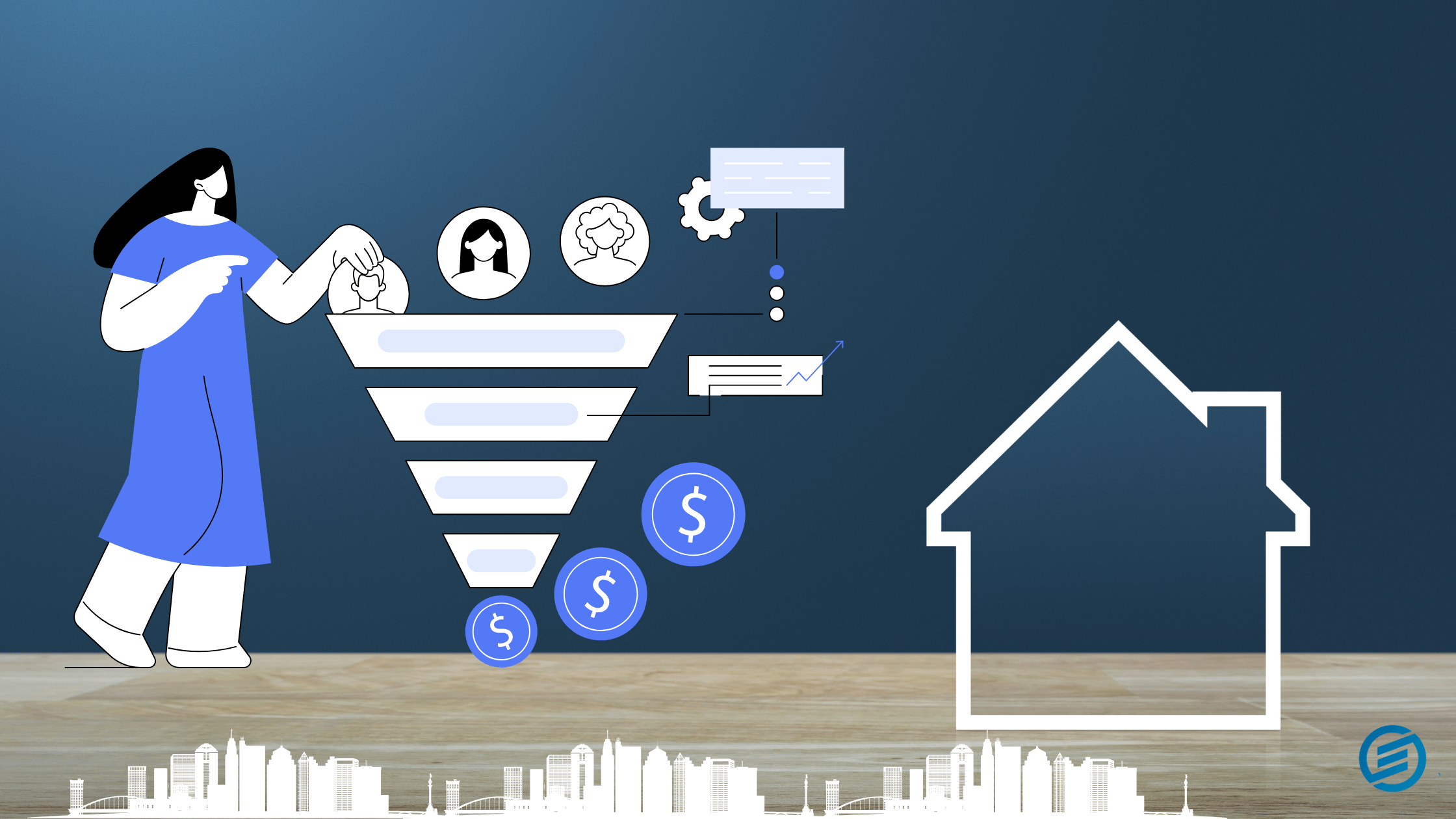
Is your sales funnel a mystery? Do leads enter, only to disappear without becoming clients? Are you unaware of what exactly happens at each stage of the funnel? Are you yet to learn how to move leads from awareness to consideration to decision? Let’s talk strategies to convert leads into clients
You’re not alone. Many businesses struggle to understand and optimize their sales funnel.
Yes, generating leads is only half the battle. The real challenge lies in when trying to convert leads into Clients and that’s where the sales funnel comes in. It is a cornerstone of any successful marketing strategy, but for many, its structure and associated actions remain unclear.
Here in this post, we will break down the entire process so that you learn:
- How to allocate resources effectively
- Develop strategies to guide leads through the funnel
- Implement follow-up and nurturing tactics to maximize conversions
Let’s begin.
Breaking Down the Funnel Stages
Think of the sales funnel as a journey your potential clients take, from initial awareness to final purchase. Each stage requires a different approach and set of actions.

Top of Funnel (TOFU)
TOFU is all about attracting and capturing leads. The goal is to create awareness and generate interest by deploying low-cost, low-commitment strategies. Think of it as casting a wide net to see who’s interested. Here are some example actions:
- Offering a free guide or e-book in exchange for an email address.
- Hosting a live Q&A session or webinar and encouraging your target audience to sign up.
- Creating engaging blog posts or social media content to gather contact information.
The key is to provide value upfront without asking for too much in return on your lead site. So, make it easy for prospects to say “yes” to a desired action without feeling pressured.
Middle of Funnel (MOFU)
MOFU focuses on engaging and building trust with the leads you’ve captured. It’s about nurturing those relationships and providing valuable information that moves them closer to a purchase decision.
- Sending personalized emails with relevant content.
- Sharing case studies or testimonials to build credibility.
- Offering a service for free.
At this stage, your leads are evaluating their options and comparing solutions. So, personalization and targeted content are key. Understand your audience’s needs and provide solutions that resonate with them.
Bottom of Funnel (BOFU)
BOFU is where you convert high-intent leads into paying clients. These leads are ready for a transaction, so it’s time to provide clear calls-to-action and seamless onboarding.
- Offering a free consultation or demo.
- Providing a discount or special offer.
- Making the purchase process as straightforward as possible.
At this stage, urgency and clarity are non-negotiable. Make it easy for leads to say “yes.”
Real Estate Sales Funnel: A Proven Path to Client Conversion Excellence
Master tiered email sequences, AI-powered nurturing, and psychological triggers that seal deals.
Building a Balanced Pipeline
Are you generating enough leads at the top of the funnel? Are you nurturing them effectively in the middle? And are you converting them efficiently at the bottom? If one stage is lagging, it can throw off the entire process.
A balanced pipeline ensures a sustainable lead flow by adequately filling and resourcing all funnel levels. Neglecting any stage can lead to bottlenecks and lost opportunities.
Strategies for Managing Budget Allocation
While it’s tempting to focus all your resources on the bottom of the funnel, neglecting the top and middle can lead to a dry pipeline. A good rule of thumb is to allocate 50% of your budget to TOFU, 30% to MOFU, and 20% to BOFU.
- TOFU: Allocate a significant portion of your budget to TOFU activities to keep the pipeline filled. Content marketing, social media ads, and SEO are all effective TOFU strategies.
- MOFU: Invest in email marketing and CRM tools to nurture leads and keep them engaged. Personalization is key, so segment your audience and tailor your messaging accordingly.
- BOFU: Focus on providing excellent customer service and a seamless sales process. Offer incentives and make it easy to convert leads into clients.
Use a CRM to track your leads’ progress and ensure no potential client slips through the cracks. Monitor key performance indicators (KPIs) such as lead conversion rates, cost per lead, and customer lifetime value.
This data will help you identify bottlenecks and optimize your funnel for maximum efficiency.
Digital Harvesting: Cultivating an Organic Leads Pipeline for Real Estate
From seed to sale: Nurture organic leads through the full funnel lifecycle.

The Art and Science of Lead Follow-Up
Timely follow-up is critical for strategies to convert leads into clients. Research shows that responding to a new lead within five minutes increases your chances of conversion by 21 times. So, make an effort to follow the “5-minute rule” to increase engagement.
Start with the basics: respond quickly. Whether it’s an email, a phone call, or a text message, make sure you reach out as soon as possible.
But, effective follow-up goes beyond speed. It’s about creating multi-touch campaigns, personalizing outreach, and segmenting leads for targeted efforts.
Use the lead’s name, reference their specific needs or interests, and tailor your message to their stage in the funnel. For example, a TOFU lead might receive a friendly email thanking them for downloading your eBook, while a BOFU lead might get a call offering a free consultation.
Finally, create multi-touch campaigns. Most leads require multiple touchpoints before they’re ready to convert. Use a mix of emails, calls, and social media interactions to stay top-of-mind and build trust.
Advanced Follow-Up Strategies for Realtors
- Multi-touch campaigns: Don’t rely on a single email or phone call. Create a series of touchpoints that provide value and build trust over time.
- Personalization: Use your CRM to gather information about your leads and tailor your messaging accordingly. Address their specific needs and pain points.
- Segmentation: Group leads based on their behavior, interests, and demographics. This allows you to send highly targeted follow-up messages that resonate with each segment.
Here’s a sample template for a follow-up email:
Subject: Thanks for [action they took]!
Body: Hi [Name],
Thanks for [downloading our guide/attending our webinar/etc.]. I noticed you’re interested in [specific topic]. I’d love to hear more about your goals and see how we can help. Let’s schedule a quick call at your convenience.
You can find more email templates in our recent posts:
- Real estate email templates to get your leads to respond
- Follow-up scripts to win a lead
- Real estate email templates for different situations
Nurturing Leads with a CRM
Most leads require ongoing nurturing before they’re ready to transact.
They aren’t ready to take action (e.g., schedule a visit, ask for an offer, or book a phone call) right away—and that’s okay. The key is to keep them engaged until they are. That’s where a CRM (Customer Relationship Management) system comes in.
A well-organized real estate CRM system is a must-have for tracking lead activity, scheduling follow-ups, and automating personalized communication.
For example, if a lead downloads a guide from your website, your CRM can automatically send them a series of nurturing emails with related content.

Tips for Using CRM Tools Effectively
- Automate tasks: Set up automated email sequences, reminders, and tasks to streamline your follow-up process.
- Personalize communication: Use merge fields to insert lead-specific information into your emails and messages.
- Track lead activity: Monitor which emails your leads open, which links they click, and which pages they visit on your website. This information will help you tailor your follow-up efforts.
A CRM is only as good as the data you put into it. Make sure to segment your leads based on their behavior, interests, and stage in the funnel. This allows you to send targeted messages that resonate with their specific needs.
Finally, use your CRM to measure success. Track metrics like email open rates, click-through rates, and conversion rates to identify what’s working and what’s not.
Lead Follow-Up and Workflow Strategies for Real Estate Agents
Automated drip campaigns, personality-based messaging, win-back triggers that work, and more.
Final Words
Optimizing your real estate sales funnel is about actively engaging with your leads at every point of their journey.
You can personalize communication and implement thoughtful strategies discussed above to increase your conversion rates.
Keep in mind that your main goal is to create a seamless experience that guides potential clients from awareness to decision-making with ease.
To streamline your processes, you can leverage Easy Agent Pro. It helps real estate agents, brokers, and small agencies build a powerful online presence, automate follow-ups, and intuitively capture leads.