


The media love to tell us that housing is unaffordable to the average Joe or Mary. Two groups of Americans know this first-hand: Real estate buyers’ agents and Millennials.
A recent Clever Real Estate report takes stock of the state of the housing market for the latter and found that “Millennials are willing to make rash decisions to afford a home in a competitive market, including buying a home sight unseen (90%), purchasing a fixer-upper that needs major repairs (82%), and offering over asking price (80%).”
In fact, if we listen to media reports, buying fixer homes is the new version of buying a starter home.
That strangely makes sense when we consider that buyers, especially Millennials, are desperate to buy a home that’s priced within their budget.
Put on your teaching hat if you’ve noticed that more of your buying clients are entertaining the notion of buying fixer homes.
Apparently, the biggest cause of regret for these buyers is their lack of education on the buying process and the regret that comes with not understanding the fixing process.

Buying fixer homes – How will they pay for the renovations?
Gone are the days when it cost buyers a year’s salary to get a loan for buying fixer homes. FHA’s 203(k) program, Fannie Mae’s HomeStyle Renovation Loan and Freddie Mac’s CHOICERenovation loan, for instance, offer one loan to cover the purchase of the home and the renovations required.
Check with each program to learn credit score requirements and how much your client will need to put down on the loan.
If you’re unfamiliar with these programs, do some research. FHA, for instance, has two programs. FHA’s Limited 203(k) program is for the repair of non-structural items and offers a maximum loan amount of $35,000. The other product is for major rehabs and you can find a basic description of it online at hud.gov.
The “rules” can be daunting as well. For instance, the 203(k) program requires hiring a 203(k) consultant. This person will “…oversee every step of the work for HUD, from plans to the finished product,” according to Robin Saks Frankel at bankrate.com.
Then, there is the hiring of a contractor that, first, wants to take on the job and, second, can be approved by HUD.
Shaheedah Hill, Atlanta agent, offers up 5 tips for agents who are new to these FHA products:
- Ensure your client is working with a lender who does 203(k) loans
- Ensure this lender has done one recently. Ms. Hill recommends that you find a lender who has “… done at least three in the last year.”
- Allow some time to “… find a contractor who is willing to go through the 203(k) process.” Apparently, this is one of the most challenging aspects of using this product. She goes on to recommend that “I would do this even before” the client applies for the loan.
- Set the closing date for at least 60 days in the future. “You need at least 60 days, number one, for the contractor to go and do their estimate, for them to get their paperwork, so you want to give yourself enough time to get those things done,” Hill suggests.
- Include a 203(k)-loan approval contingency stating your client will get their EMD back if the property isn’t approved by HUD.
Watch Hill’s excellent video on youtube.com. And let your clients know that information about these loans is abundant on the internet.

What you can do to help them get the best deal when buying fixer homes
Ok, so your clients are ready to move on the process and it’s time for you to help them in their quest of buying fixer homes. Naturally, your first stop will be the active listings on the MLS and keywords to help you find these homes. Check both public remarks and agent remarks for at least the following:
- As-is and as is
- Fixer
- Fixer upper
- Inherited
- Probate
- Bring all offers
- Investor special
- Investors
- Investment
- Handyman
- Rehab
- Needs TLC
- Tenant
- Trustee
- Personal representative
- Issues
- Needs work
- Contractor special
Then, run the same search on expired listings.
Also, don’t forget to ask around at the office for ideas from colleagues and to see if they know of a fixer coming on the market.
You might also look into buying fixer homes during your daily routine. Keep an eye out for homes that look abandoned or just generally neglected. Signs to look for include overgrown landscape, peeling paint, tons of newspapers scattered about.
Finally, don’t forget Redfin – they have a “Fixer-Uppers Only” category in their search criteria.
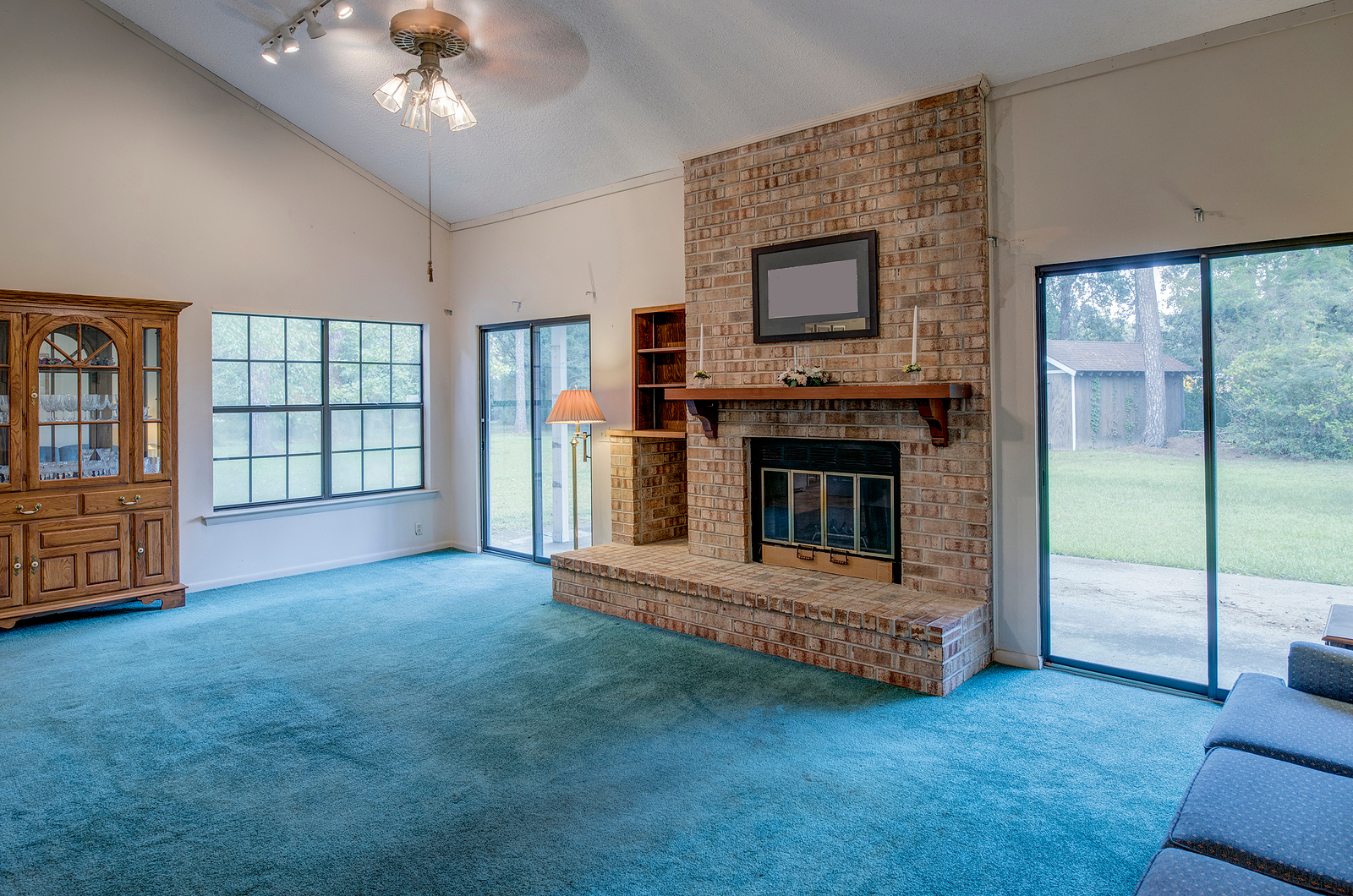
They want to put in an offer: Help them understand the real cost of that fixer
“The average homeowner typically spends just under $43,000 to remodel multiple rooms in their home,” says cnbc.com’s Megan Leonhart, quoting Home Advisor statistics.
“Areas like the kitchen and bathroom can be the biggest projects,” she concludes.
As you know, this cost can be far higher once the renovation job begins. “Plan for at least one budget-buster by adding an extra 12% to your renovation estimate,” claim the editors at daveramsey.com.
‘When you’re renovating a house, it’s common to uncover problems you didn’t know about during the renovation — like mold, water damage, or structural issues,” cautions the editors at medium.com.
The bottom line for the first-time buyer is that “… a fixer-upper isn’t always as affordable as it seems,” according to businessinsider.com’s Hillary Hoffower. We both know that this is common knowledge in the real estate industry.
But inexperienced homebuyers don’t know this. In fact, you will probably agree that first-timers operate under a number of misconceptions.
For instance, how many times have you worked with a rooky homebuyer who is under the impression that the home inspection will tell them every last thing that’s wrong with the home?
The wise buyers’ agent will let their clients know that the inspector will only inspect visible areas. Not behind the walls. Not under the floors. Not what is behind something else in the home’s systems.
Not only must your client who is buying fixer homes understand this, but they must also be more than willing to order extra inspections of anything that’s suspicious. Some of the more common inspections for fixers include:
Strongly suggest they get additional inspections, based on any questions or concerns brought about by the whole-home inspection. These might include:
- Wood destroying pest inspection
- Roof inspection and certification
- Electrical system inspection
- Sewer line and plumbing inspections
- Well inspection
- Septic inspection
- Inspection by an engineer
Then, there’s the task of hiring a contractor to inspect the home and provide a written estimate of how much it will cost your client to fix what’s wrong.
Finally, they need to add on that extra “padding” in the budget that the folks at daveramsey.com recommend.
All this, before they make an offer.
Now, what is your estimate of what the home will be worth after the work is complete? If it’s valued higher than similar homes in the area, and your clients don’t plan on staying in the home for the long-term, you’ll need to counsel them that it’s not a wise investment.
Walk your clients, step-by-step. through the process to help ensure they know what they’re getting into when buying fixer homes. This way, there are no surprises down the line.