


“Homebuyer demand for second homes was up 87% from pre-pandemic levels …” last month, according to a Redfin study.
Think about that one for a minute.
The surge in second-home purchases actually started in 2020, but when mortgage rates hit 3.5% in January, they shot way up, as buyers tried to beat the additional rate hikes promised throughout 2022.
It’s an interesting turn of events when one considers that while this was happening, the share of consumers who bought their first home shrunk, from 30% to 27%.
Contrast that to the 22% of purchasers buying a second home. That number rose from 17% in December, according to the editors at nar.com.
First-time buyers are being priced out of the market and when mortgage rates increase the share of first-time purchases will plunge even more.
If you work in a seasonal market or one of those you’ll find listed below, you may want to bone up on the wants and needs of second-home buyers and how to work with them.
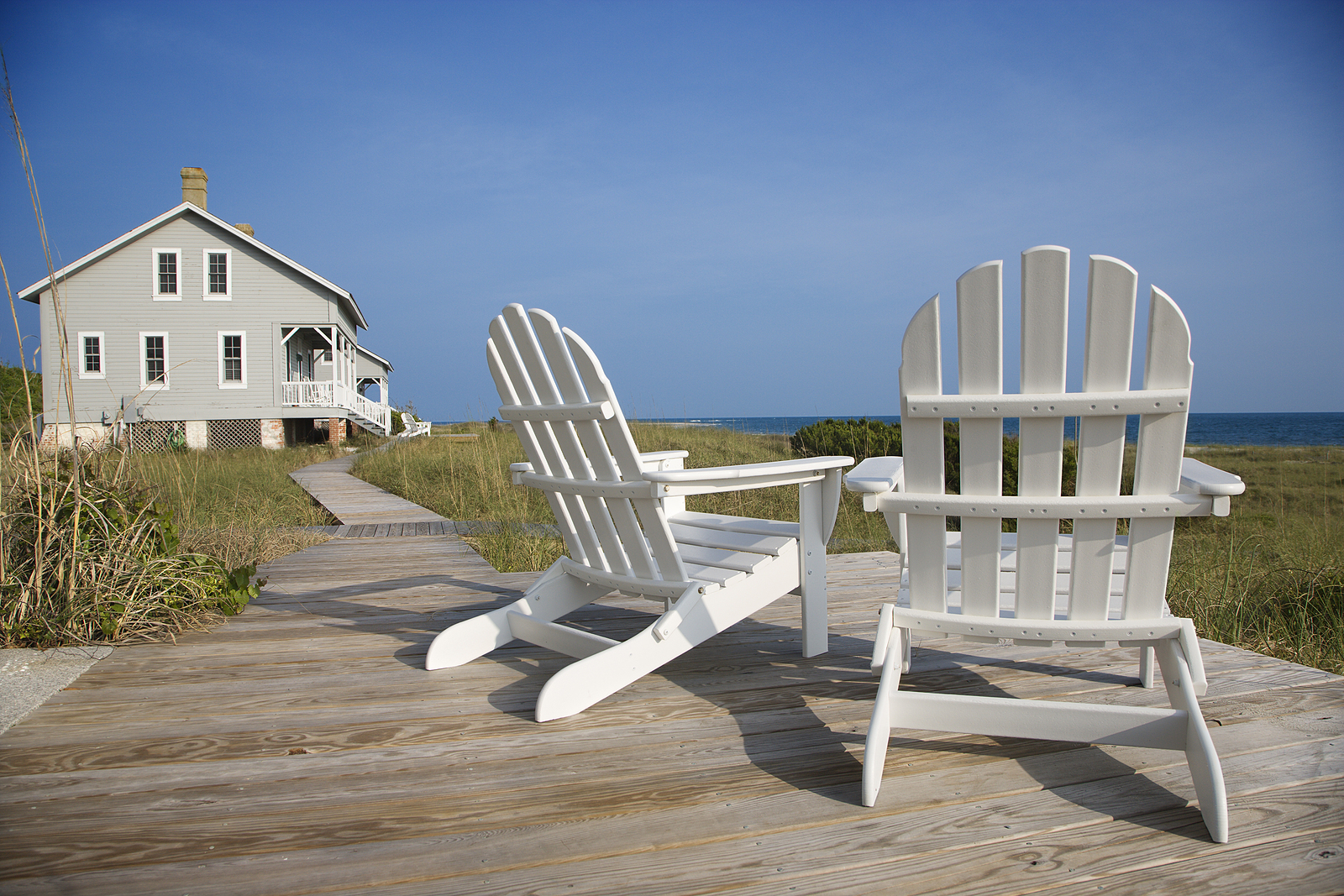
Why the boom in vacation home sales?
“Many white-collar professionals who were able to work from anywhere with a reliable internet connection did just that—preferably in a newly purchased home on the water or in some scenic, bucolic location,” is the explanation proffered by Clare Trapasso last summer at realtor.com.
“Low interest rates on home loans, pandemic-era savings and a hybrid-work revolution have made it more feasible for people, not just the ultra-rich, to live a dual lifestyle,” explains Claire Ballentine and Alice Kantor at fa-mag.com.
Whatever the reason, vacation home sales are booming and it’s time to start targeting this group of real estate consumers.
Profile of vacation home buyers
The National Association of Realtors conducted a survey of more than 2,300 owners of second homes. The information gleaned from the survey allowed the association to compile a profile of average vacation home buyers.
- 33% of vacation home buyers chose a home near a beach while 21% bought on a lakefront and 15% chose a home in the country.
- Slightly more than half of vacation home buyers bought a detached, single-family home.
- Only 6 percent of vacation homebuyers bought with the intention to rent out the home to generate income.
- Those who buy vacation homes are more likely to pay all-cash.
- A whopping 77% of these buyers came in with a minimum 20% down payment.
- Only 4% of vacation homebuyers are first-time buyers.
And where do these vacation home buyers choose to purchase?

The NAR’s research finds that the “… top 1% hottest vacation home counties …” are in 16 states, some of which may surprise you:
- Arizona
- Delaware
- Florida
- Georgia
- Maine
- Maryland
- Massachusetts (in the top 5)
- Michigan (in the top 5)
- Minnesota
- Missouri
- New Jersey
- New Mexico
- New York (in the top 5)
- North Carolina (in the top 5)
- Oklahoma
- Vermont (in the top 5)
According to the NAR report, the top 10 counties for vacation home sales include:
- Lee, Florida
- Oscoda, Michigan
- Swain, North Carolina
- Collier, Florida
- Dukes, Massachusetts
- Alleghany, North Carolina
- Garrett, Maryland
- Barnstable, Massachusetts
- Alcona, Michigan
- Macon, North Carolina
Read the entire survey online at nar.realtor.
In a nutshell, when you work with someone hoping to purchase a vacation home he or she will most likely earn significantly more than the national median household income, the home will most likely be several hundred miles from their fulltime home, they will not want to look at condos and they are buying to use the home for vacations, as a family retreat, but not an investment.
Plan on a relatively quick transaction with vacation home buyers
In the first quarter of 2021, 53% of all vacation homes were purchased with cash, according to Trapasso. No mortgage, quicker transaction, right? Typically, yes.
“Closing a cash transaction can take as little as two weeks,” according to Kate Wood at nerdwallet.com.
She goes on to claim that cash transactions generally have fewer contingencies and “without a lender involved, there’s much less to review and sign off on to close the deal.”
Create content that will reach your would-be clients
If you’re going to sell in a market as niche as vacation homes, be sure you’re creating content that will help frame you as the industry expert in your area. Detailed posts that cover a range of topics can help potential vacation home buyers know what to expect and how to get started in this exciting endeavor.
Local agent Mike Chen wrote a great 3-part series on buying a vacation home in Orlando. His blog goes into detail on the local market, budgeting tips and what to expect when entering the world of vacation home buying. His posts cover a range of topics, including detailing his family’s personal experiences with vacation home buying – And best of all, they remain hyper-local, focusing on the Orlando Disney World market.
Bone up on the niche
While it’s not a requirement, consider pursuing the NAR’s Resort and Second-Home Property Specialist (RSPS) certification.
Now is a great time to take the classes because NAR is offering REALTORS® half-off the normal price, so you’ll only pay $97.25. This price is good through the end of 2022.
Since working in this niche requires a different knowledge base than traditional residential real estate, this might be the perfect introduction for the complete newby to the vacation home niche.
You’ll learn how to understand the “… recreational and lifestyle market, tax treatment of vacation and second homes and real estate investment.”
Tip: If you decide to go this route, do yourself a favor and don’t use RSPS on your business cards and other marketing materials. Consumers don’t know what the letters mean. The whole title, in this case, gets the message across better.
Anita Deal
Certified Resort and Second-Home Property Specialist
Impressive, right?

How to reach vacation home buyers
Let’s go back to our profile of vacation home buyers. Unlike investors, these buyers plan on using this home for their vacations and holidays. A “sanctuary” or “retreat” is how many describe what they’re looking for.
Listing agents should consider targeting their marketing language on websites, fliers, farming materials, etc. “… to include language … that tells a buyer that your property is a place where they can unwind,” according to a blog post at dmrealestatephotography.com.
“A subtle edit, for example, from master ‘suite’ to master ‘retreat’ could broaden your listing’s appeal without alienating buyers seeking a primary residence,” it continues.
Buyers’ agents may want to create an additional website targeted to this niche. Filled with delicious, vacay-related keywords and images, the site will increase your odds of being found online and widen your brand’s exposure.
Add hyper-local blog posts that introduce these possible newcomers to the wonders of the area combined with cross-posting on social media and engagement and involvement in groups in the area, and you’ve got yourself a lead magnet website.
Since there has been “… a 494% increase in requests for agent-led …” (Aaron Bours, head of marketing for Hyro) video home tours, consider creating them and offering them as a free-download-for-contact-info enticement.
And of course, for a little extra juice, try a well-placed ad on Facebook or Google.
Extend your tentacles to other markets
Gene Carter, broker associate with The Beach Pro Team in Myrtle Beach, SC sells only vacation homes and has for some years now.
One of the things he mentions on his website is that his “… team reaches buyers nationwide – and beyond.” Obviously aimed at potential vacation home listing clients, it’s a statement we haven’t seen expressed on other second-home specialists’ sites. Yet, it’s so compelling.
Where are vacation home buyers coming from?
We learned earlier that Lee County, Florida heads the list of the top 10 counties for vacation home sales. That’s a good thing to know for the agent located in Lee County or nearby.
Where, however, are these people migrating from? That’s equally important for both buyers’ and sellers’ agents to know if they hope to be proactive and reach these real estate consumers before they hire a local agent.
Start drumming up referrals from agents in Virginia, Illinois, Texas, California and New York.
A little research online will give you an idea of which areas of each state are experiencing the most out-migration. In Virginia, for example, introduce yourself to agents in Virginia Beach city, Stafford County and Prince William County.
Now that you’ve narrowed down which areas, find agents that might be amenable to swapping referrals.
“If your broker doesn’t already have a built-in network from their franchises … join referral services like Leading RE or Referral Exchange” Dawn Pfaff suggests at realestateadvice.com
“If you want to send and receive referrals, there are Facebook groups such as ‘Lab Coat Agents’ and ‘Raising the Bar in Real Estate’ where you can ‘friend request’ agents all over the country,” she continues.
There’s a lot to learn in the second-home niche. Right now, however, it’s such a lucrative one, it may just be worth the time and effort, if you can track down vacation home buyers.