


If you’re struggling with understanding IDX, you aren’t alone. For many, learning how to set up IDX on websites, understand IDX website cost or know the difference between IDX vs RETS can feel like a lesson you simply don’t have time for. Maybe you’re a busy agent who just doesn’t understand the features of a great IDX website. Or maybe you’re a new agent asking what is IDX period.
No matter the questions you have about IDX Integration with your real estate website, we’ve got the answers. Oh, and for examples of the best IDX real estate websites, complete with pictures, be sure to check out the bottom of this article. Let’s begin!
IDX Websites For Agents – The Basics
We’ve been talking about IDX for a long time, but IDX is far older than any of us.
The first use of the term “multiple listing” dates back to 1907. As you can imagine, the service was nothing like it is today. Listings were advertised, in person, to other members of the Board of Realtors® “… gathered at the Board offices.” (NAR)
The evolutionary steps to today’s tech-driven system included listings printed in huge directories, much like the phone directories of old, distributed among members. To this day, veterans tell stories of lugging the tome around in their cars and laboriously combing though it when conducting showings.
Fast forward to today, and there are more than 580 MLSs in the US, according to the Real Estate Standards Organization (RESO).
Still the repository for real estate listings, technology has changed everything else. One of these changes is IDX.
We receive so many questions about IDX that we’ve decided to put together a basic explainer for you. From why it was created to how it works and how to make it work for you, you’ll find what you need right here.
What is IDX?
For many agents, “what is IDX” seems like a “well, duh” kind of question. For many others, however, it’s a bit like using electricity.
We know it works, but maybe not how it actually gets from wherever it comes from to the outlets in our homes and offices.
We just take for granted that it’s there when we need it.
So, what is IDX? Internet Data Exchange (IDX), at its most basic, describes a method for real estate agents to share MLS listings on their real estate websites.
According to Emile L’Eplattenier at theclose.com, IDX is “the technology and individual agreements between your MLS and individual agent and brokerage websites that allows them to display MLS listings online.”
The service dates back to the early 2000s. Prior to that, MLS listings were available only to members of the local association.
To view the inventory of homes for sale, buyers couldn’t just go online to Zillow or Redfin (they didn’t exist), they had to consult the keepers-of-the-listings: real estate agents.
What is IDX vs What is RETS

Ok, so we’ve answered the “What is IDX” question, but now we have to talk about RETS.
IDX is but one method of transferring MLS data to your website. Real Estate Transaction Standard (RETS) is another. The end game is the same: both get listings from the MLS to your website.
RETS began in 1999 “… as a collaborative effort between the National Association of REALTORS® (NAR) and a number of industry technology leaders who saw the potential for making it easier to access MLS information and move it from one place to another,” according to the NAR.
The main difference between IDX and RETS lies in the method of data transfer. The most significant difference for agents is that RETS is customizable and offers better SEO.
Additionally, agents have control over how often RETS transfers are updated, which is lacking with IDX.
RETS, on the other hand, is more expensive than IDX, which is a concern for many agents.
Easy Agent PRO websites now offer RETS in specific locations, and those available locations are growing all the time. To find out if you live in one of these areas, schedule a demo with our sales team today!
What’s new in IDX?
Flash forward more than two decades and IDX websites are no longer strictly within the purview of wealthy agents and brokerages.
And, of course, with its popularity and easy availability come rules. Although individual associations create rules which may vary, you can find NAR’s Internet Data Exchange Policy at nar.realtor.
We think one of the best advances in IDX technology to come along is the ability to integrate IDX with a CRM, bringing lead capture to a new level.
How to set up IDX on websites
The easiest and best way to DIY the use of IDX on a real estate website is by using a WordPress site. This allows you to dabble in DIY IDX intergration.
If you’re starting IDX integration from scratch, you’ll need to do the following:
- Purchase a domain name. Choosing a domain name is easy, it’s finding one that’s still available that may drive you down the rabbit hole. Concentrate on keeping the domain name as short as possible, avoid the use of hyphens, don’t use your own name and keep it local.
- Open an account with a web hosting company, such as HostGator, bluehost and GoDaddy.
- Install WordPress on your domain. To do this, go to the CPanel in your web hosting account. If you still need help, you’ll find a tutorial at wpbeginner.com.
- Choose a real estate website template. Check out those offered by ThemeForest or those from this list at wpbeginner.com or this one at fitsmallbusiness.com.
- Choose and purchase an IDX plugin. Take your time with this step, choosing a layout you like, ensuring it offers the customization and features you want and need. Some of the most popular include Showcase IDX and WPL Pro.
Tutorials for IDX integration and building your own WP IDX real estate website can be found online. We like this one from Emile L’Eplattenier at theclose.com.
We get it, though – Not everyone has the time or resources to build an amazing IDX website from scratch. Enter LeadSites, the all-in-one real estate website from Easy Agent PRO.
LeadSites deliver comprehensive IDX experiences that guarantee your visitors will get exactly what they’re looking for when they search for homes. Better yet, LeadSites are easy to use and highly customizable, allowing you to create truly unique and innovative experiences with your website’s IDX.
What makes a great IDX website?
Whether you build it yourself or have it done for you, it’s important to understand the elements of an effective IDX website.
“Laying out the site in a way that makes searching for homes easy and quick is a must,” according to Lukas Termini, Easy Agent Pro’s marketing manager.
He goes on to supply a list of features to consider when building or buying your real estate IDX website. Some of these include:
- Ability to integrate your IDX with a CRM
- The ability to search for properties on a map
- Polygon searches
- The ability for visitors to save and email favorite listings
- A sleek, modern look and feel
- Ease of incorporating calls-to-action
- Frequency of MLS data updates
- Facebook cataloging
In this video, we show you how to use IDX searches to generate leads and build out a Facebook ad meant to work with this strategy. Take a look:
Examples of some of the best IDX Real Estate Websites
Let’s take a look at some inspirational IDX agent websites.
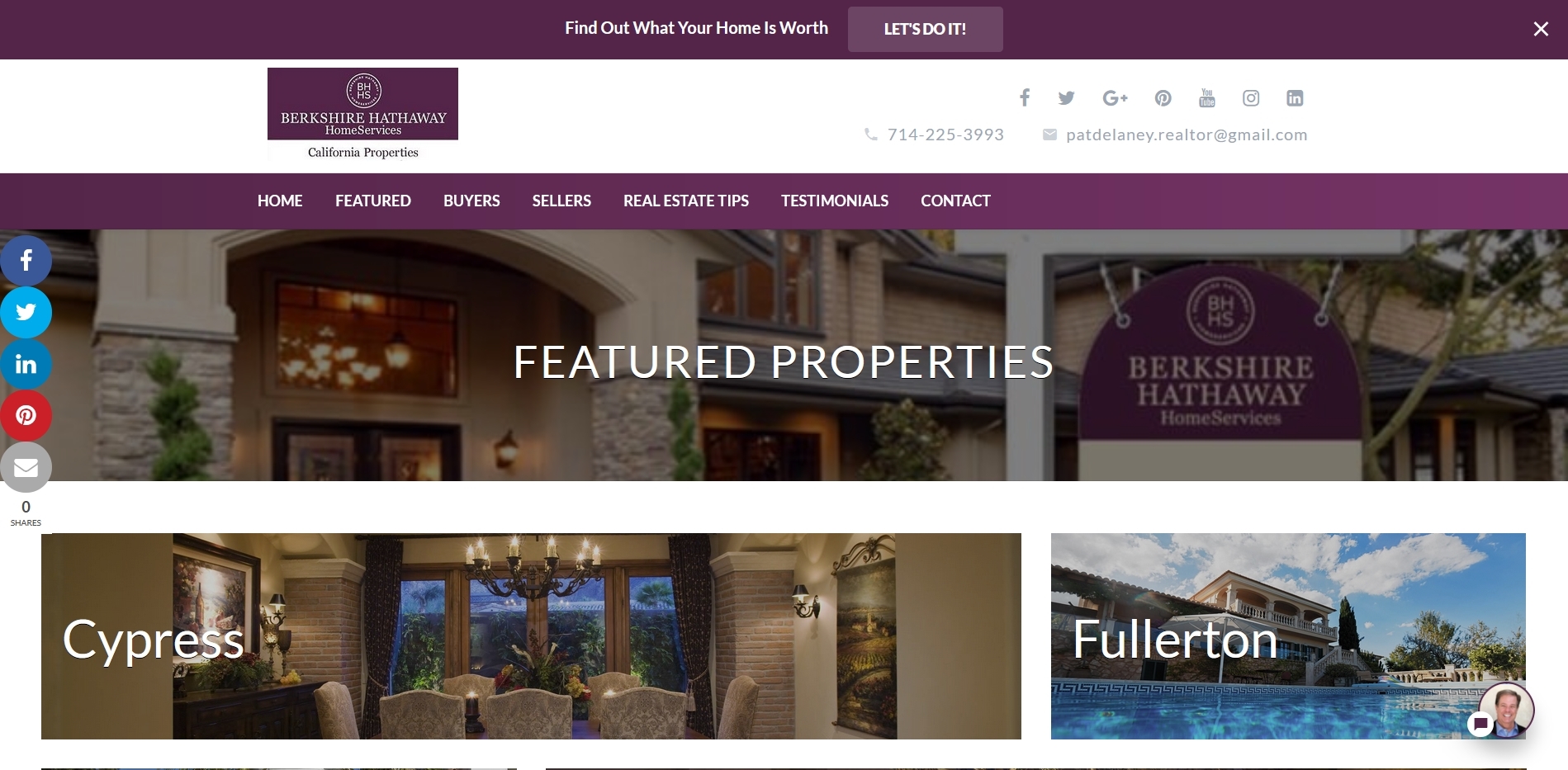
- Pat Delaney, Southern California–Check out this sumptuous neighborhood page.
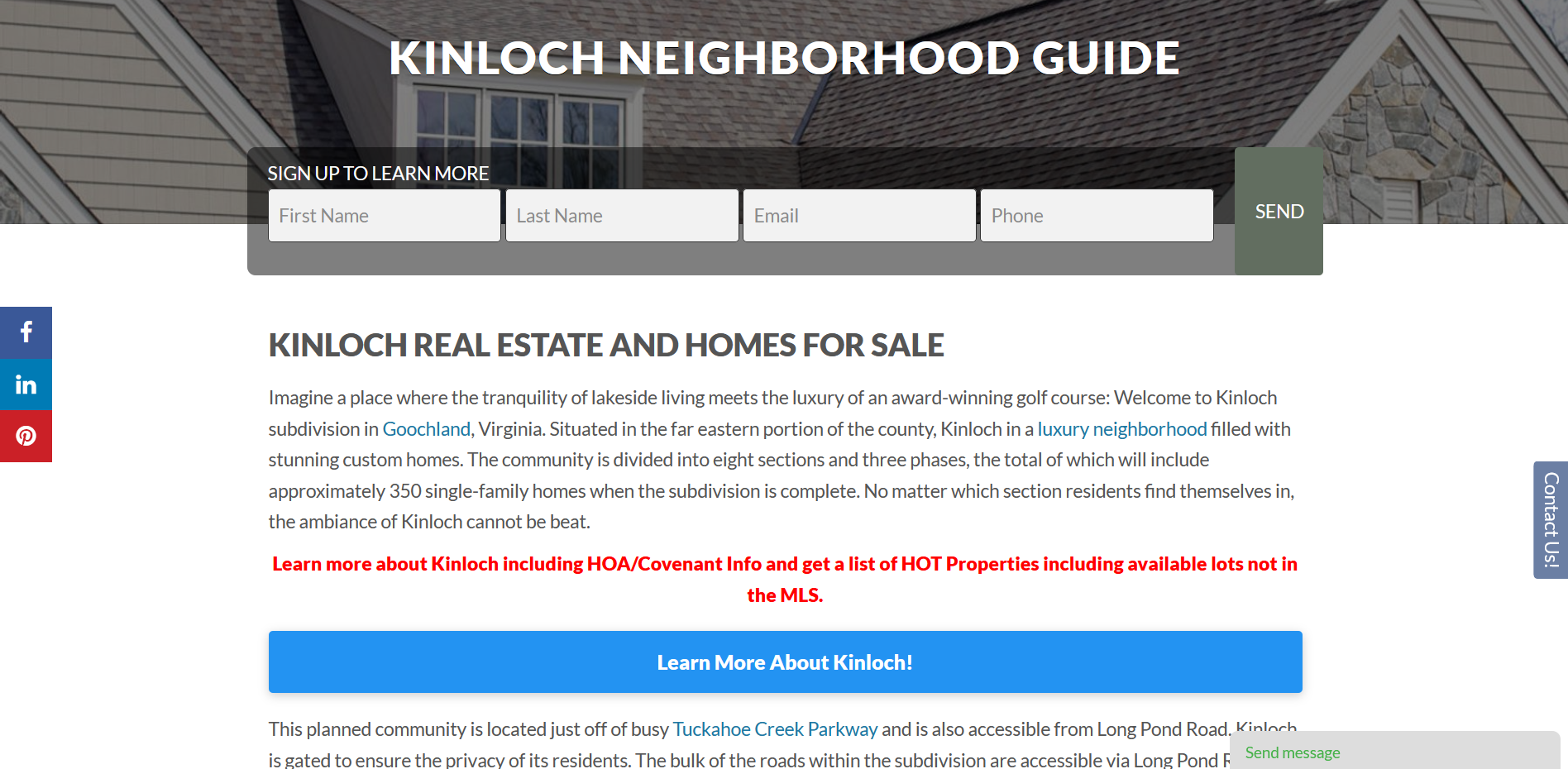
- Another take on a neighborhood page from Virginia agent Daniel Keeton – Notice how he teases the visitor with info about not only the neighborhood HOA, but also lots not otherwise found in the MLS?
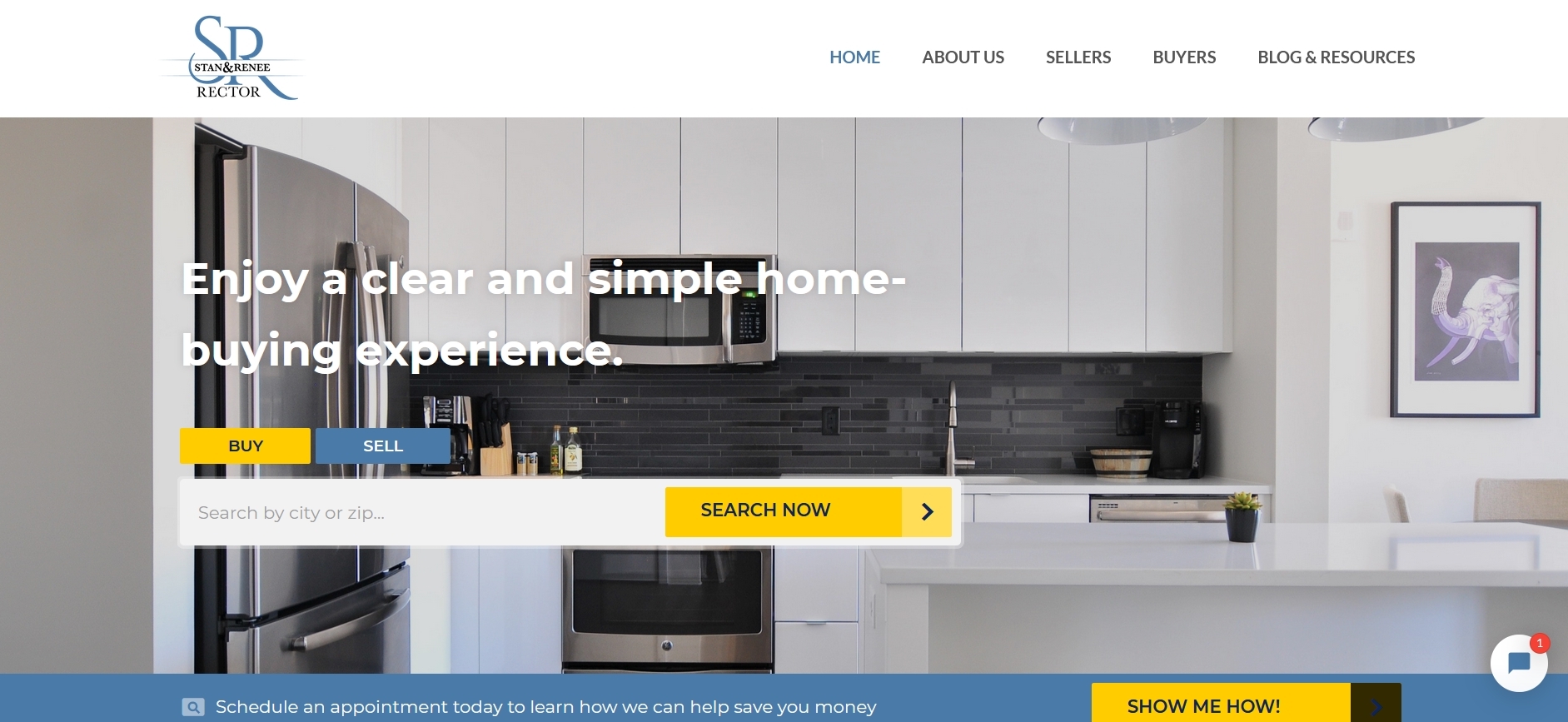
- We love the clean, modern look of Simi Valley, California agent Stan Rector’s IDX website
Hopefully the examples above helped shine a light on how IDX can be a game changer for your real estate website!